
Angela and Wilda
Five Days at MemorialAngela McManus’s devotion to her mother shapes a painful thread of bedside advocacy, forced separation, and public testimony.
increasing Bearing strength in each event
 decreasing
Bearing strength in each eventdecreasingA Daughter at the Bedside

A Daughter at the Bedside
Care as Daily Work
Angela McManus had devoted herself to caring for Wilda, helping with feeding, hygiene, and communication after her mother’s stroke. Her life was organized around preserving Wilda’s dignity.
Knowing Her Mother
Angela knew Wilda’s medical sensitivities, including a bad reaction to Ativan. That knowledge made her an important advocate when ordinary communication and documentation began to fail.
The DNR Dispute

The DNR Dispute
A Decision Reconsidered
When Angela learned that DNR patients might be evacuated last, she tried to rescind her mother’s order. Staff told her no doctor was available to change it.
Misunderstood Permission
Angela’s agreement not to resuscitate Wilda had not meant that she wanted her mother left behind. The distinction between a DNR order and a decision not to rescue became devastatingly clear.
The Forced Goodbye
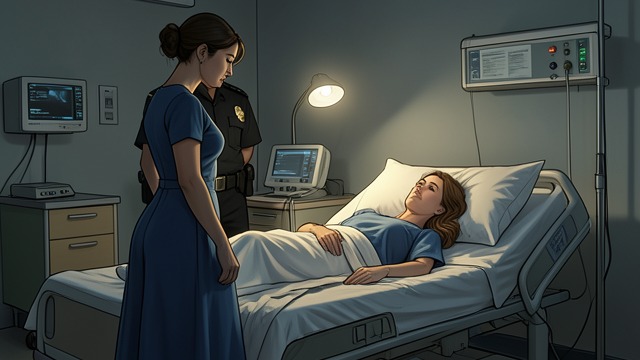
The Forced Goodbye
Police at the Bedside
Armed officers ordered Angela to leave while Wilda remained on the seventh floor. Angela woke her mother and explained that she could not accompany her.
A Daughter’s Comfort
Angela told Wilda that family members were waiting for her and sang “Near the Cross.” Wilda asked what was happening and said she was going home, words Angela held onto as she left.
News of the Arrest

News of the Arrest
Speaking Publicly
After learning of the arrests, Angela spoke to reporters because she wanted answers about her mother’s death. She rejected the idea that strangers could declare that Wilda’s final moments had arrived.
Grief in Public
The attention was exhausting, but it allowed Angela to speak for a mother who could no longer tell her story. She became one of the most visible family voices in the case.
No Final Answer
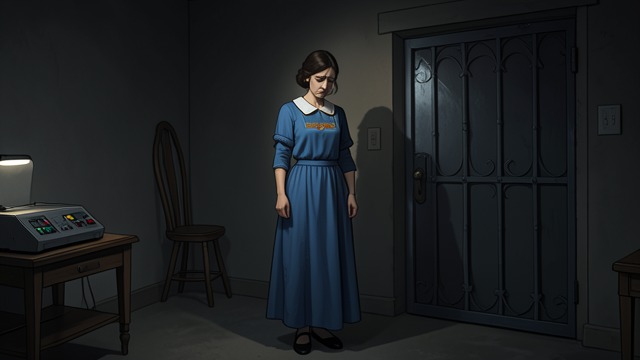
No Final Answer
The No-Bill
The grand jury declined to indict Pou, leaving Angela without the public trial she had hoped would establish what happened. Her family had to continue living with uncertainty.
A Bond That Endures
Angela’s grief remained tied to the last conversation at Wilda’s bedside. Her insistence on speaking publicly was an extension of the caregiving role she had held for more than a year.
Before August 31, 2005
August 31, 2005
September 1, 2005, morning
July 2006
After July 24, 2007
